
Your Custom Text Here

Personal Brand Workshop
The 2017-2018 programming season at Murray Hill Institute opened with an inspiring workshop that challenged us to think hard about more effective ways of presenting ourselves in today’s information-laden professional and cultural environments. Our Personal Brand workshop was held at the Global Brands Group headquarters in the Empire State Building…
The 2017-2018 programming season at Murray Hill Institute opened with an inspiring workshop that challenged us to think hard about more effective ways of presenting ourselves in today’s information-laden professional and cultural environments. Our Personal Brand workshop was held at the Global Brands Group headquarters in the Empire State Building on September 13, 2017. The Board of Directors of Murray Hill Institute is most grateful to Deneille Dewar, Vice President of Global Brands Group, for her warm welcome.
Katharine English, President and Founder of Transformer-in-Chief, LLC, began by introducing the concept of branding in general, then moved on to define personal brands, which by shining the spotlight on one’s unique value, move far beyond the information traditionally found in a resume. As she defined it, “A brand is what people say about you when you are not in the room.” Katharine led the participants in a series of interactive activities and worksheets that helped everyone to think of what constitutes their authenticity, vision, unique value, and persona. She also gave some valuable tips on the most effective use of social media.
Katharine has generously sent us her presentation slides so that those who attended will be able to review the points we discussed, and those who were unable to come can get a glimpse of the ideas and considerations that she presented in order to help each person define themselves as they reach out to new professional opportunities. Click here for the presentation.


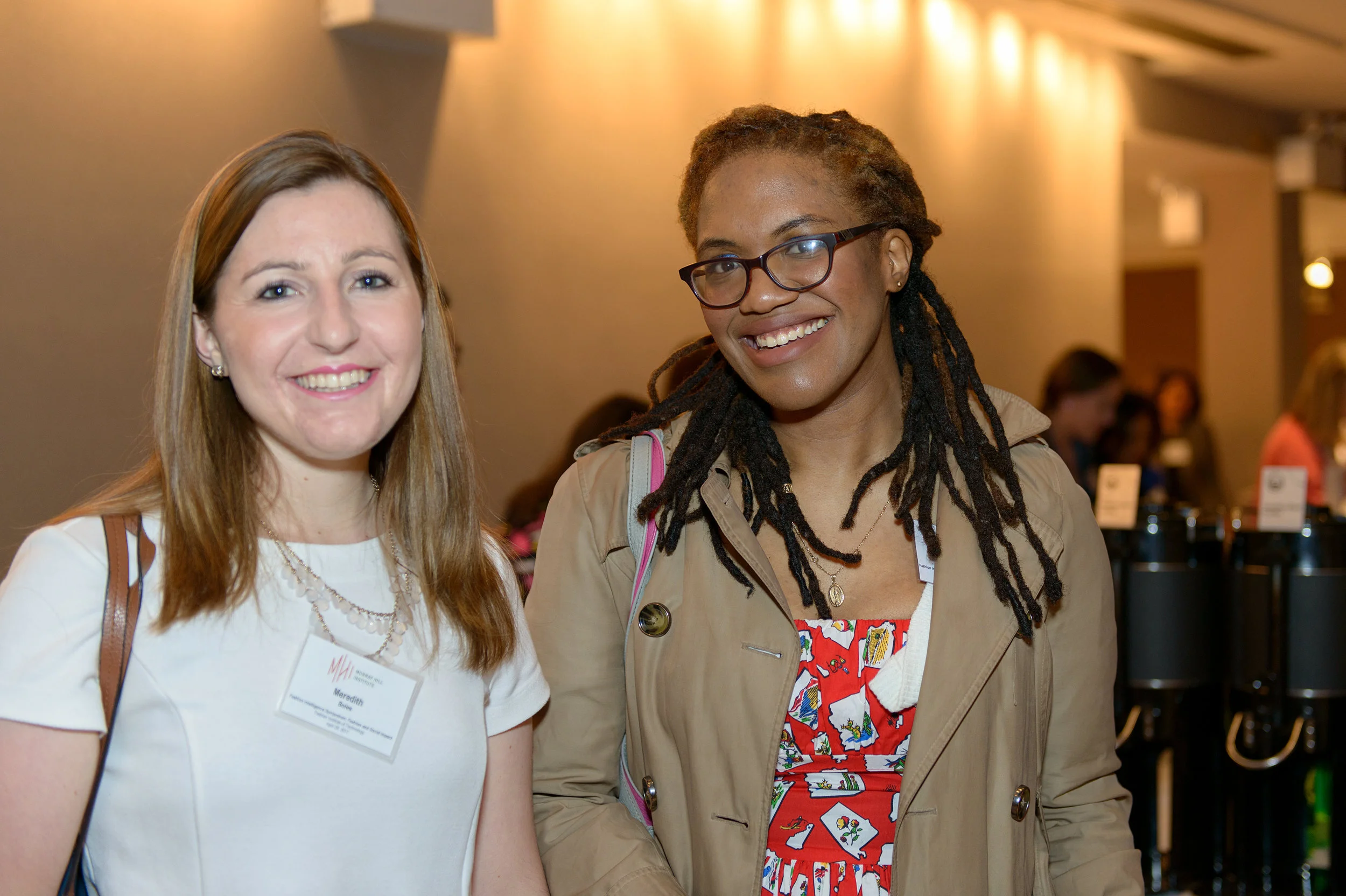
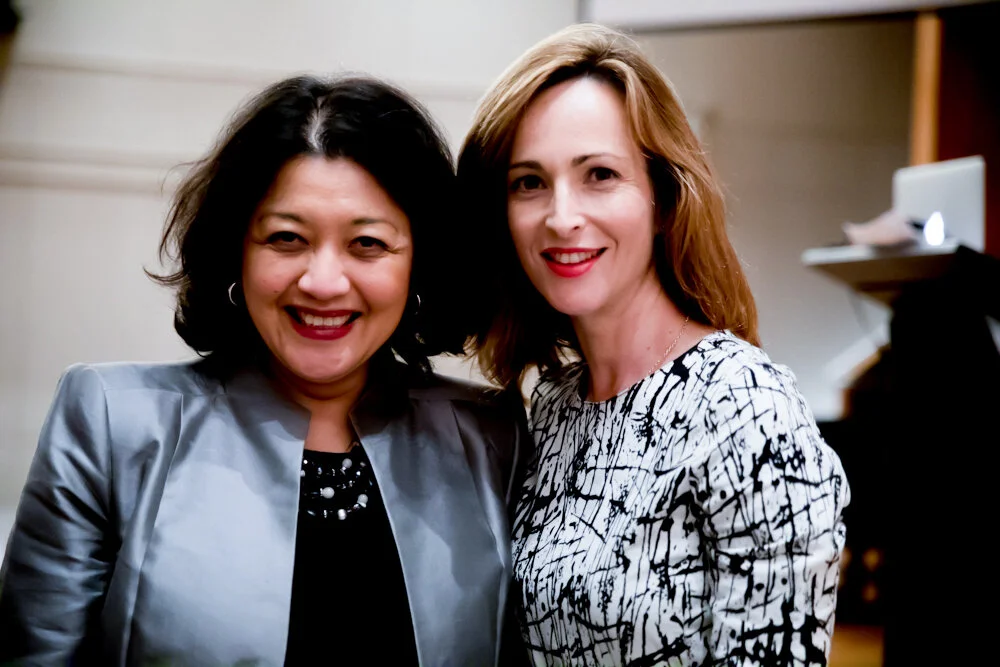
MHI 2017 Fashion Intelligence Symposium: Fashion and Social Impact
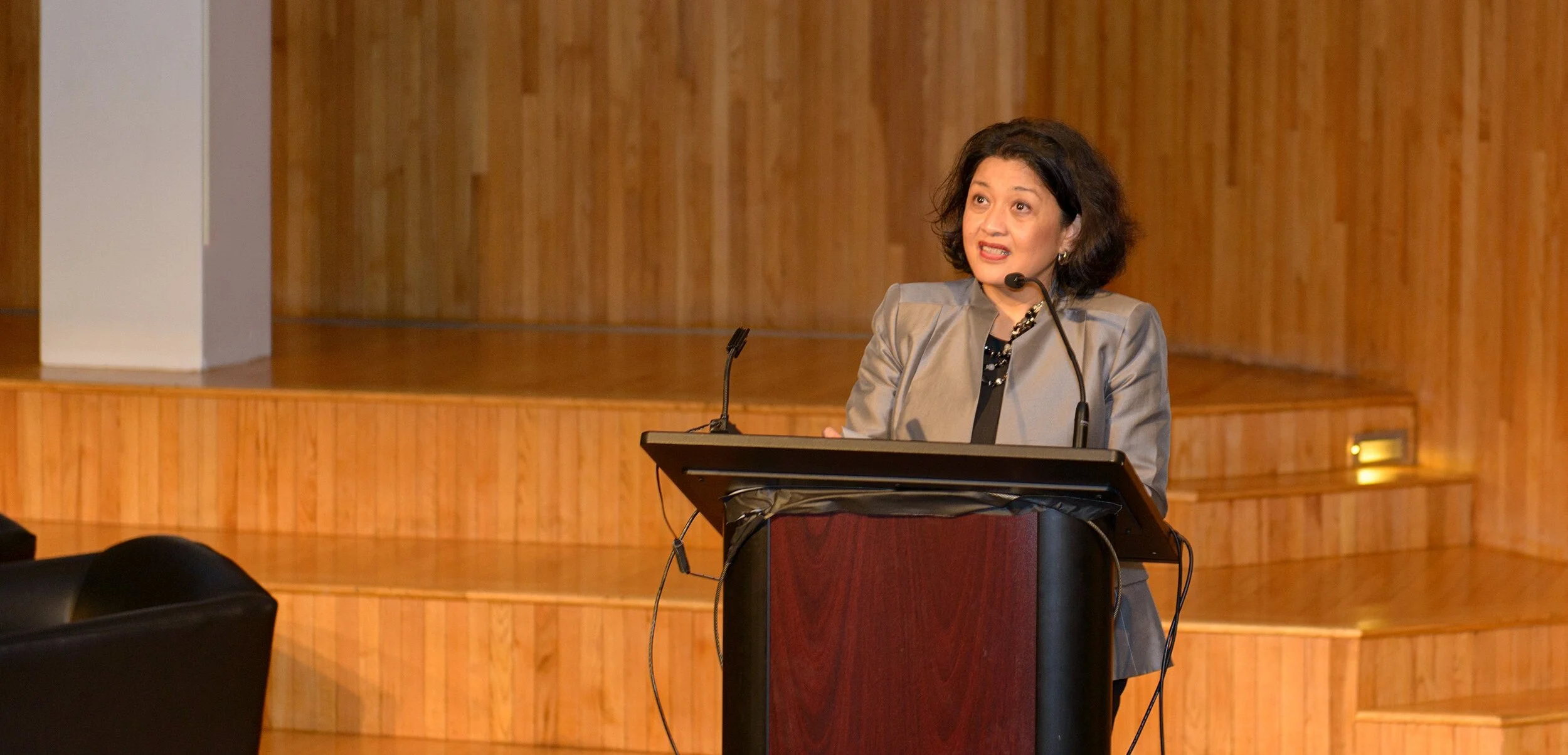
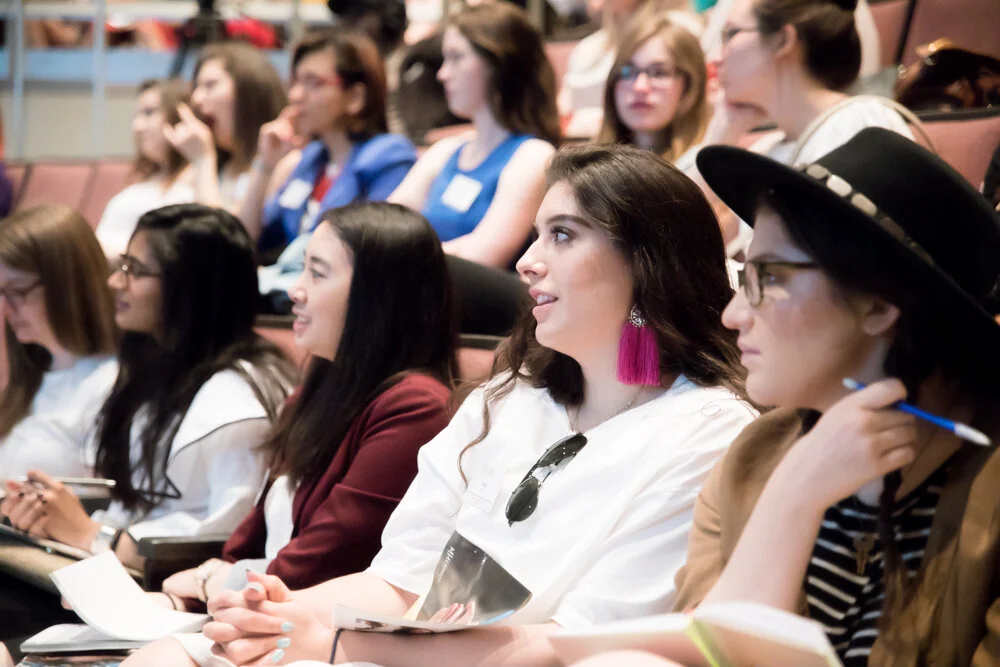
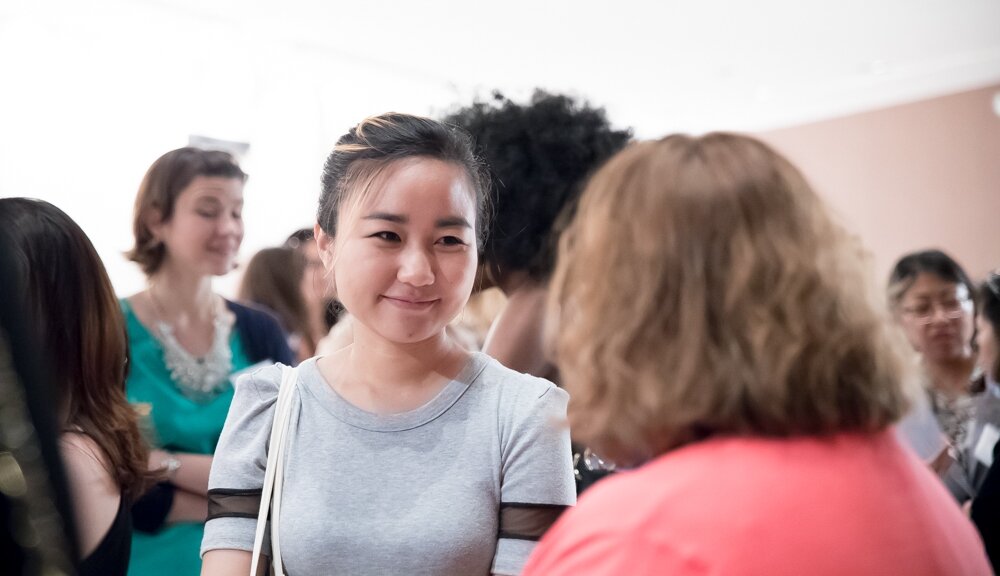
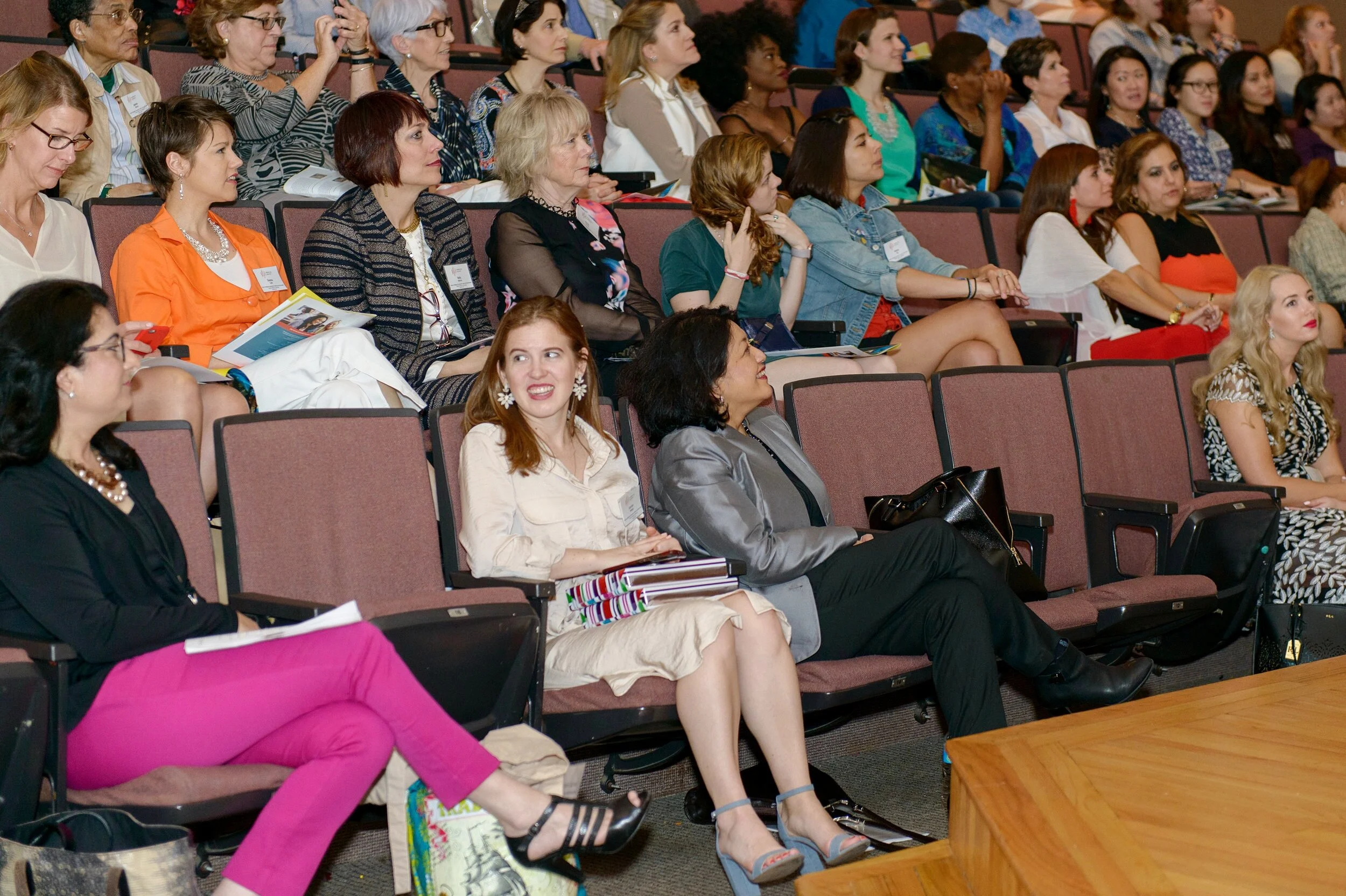
THANK YOU to all who participated in the recently concluded Fashion Intelligence Symposium, with the theme, Fashion and Social Impact. We were delighted with the turnout, the feedback, and the suggestions for the 2018 symposium…
THANK YOU to all who participated in the recently concluded Fashion Intelligence Symposium, with the theme, Fashion and Social Impact. We were delighted with the turnout, the feedback, and the suggestions for the 2018 symposium. We welcome any additional comments you may have.
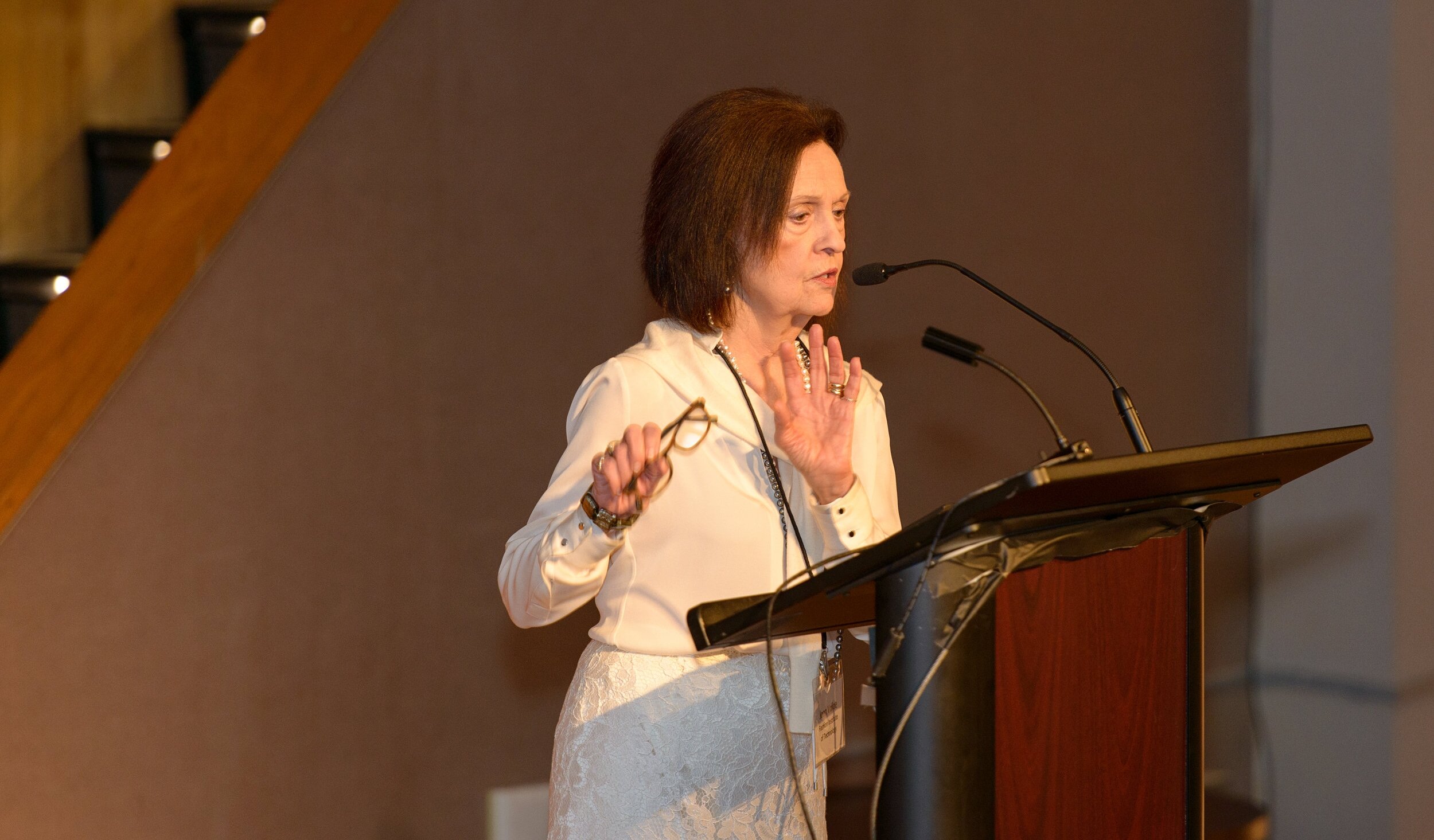
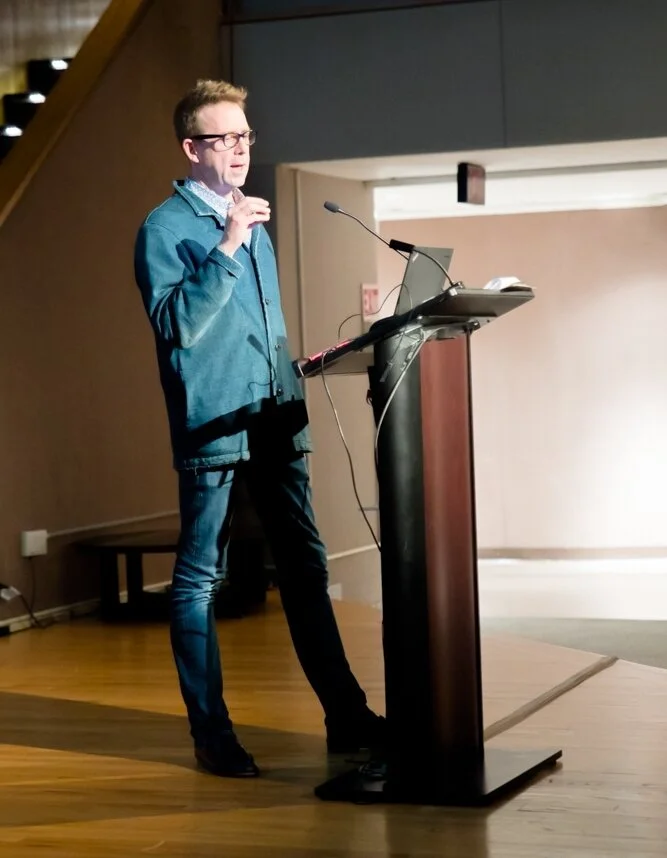
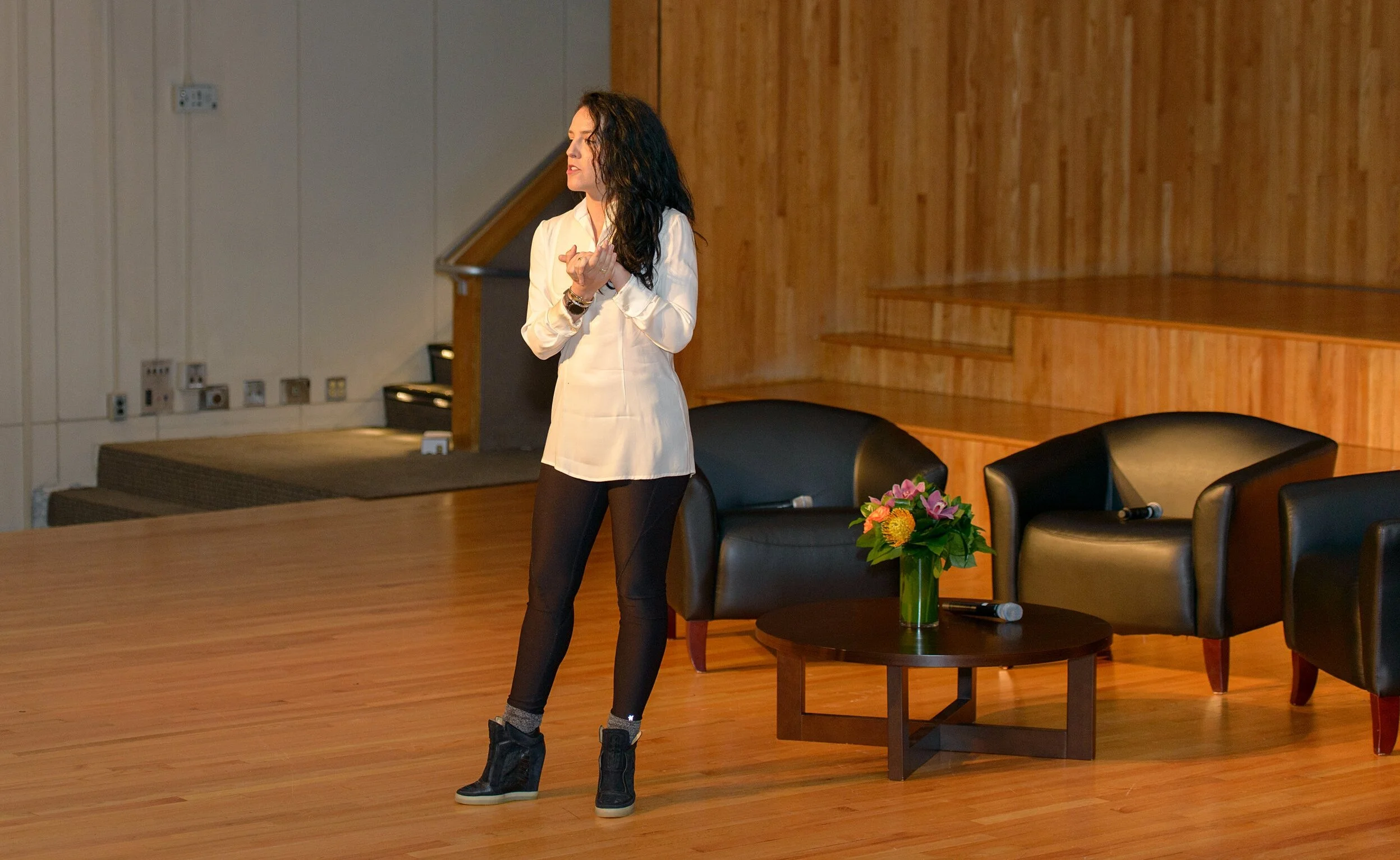
Murray Hill Institute is grateful for our on-going collaboration with the Fashion Institute of Technology Center for Continuing and Professional Studies, represented by the managing coordinator, Joan Volpe, and Arthur Dunn, the assistant coordinator, and with Villanueva University, represented by Paloma Diaz-Soloaga. A special thank you to the speakers who shared their vast experience and helpful advice: Jean-Emmanuel Shein, Director, Global Corporate Social Responsibility, UNIQLO USA, Laticha Brown of the Fashion Institute of Technology, Mary Sheehan Warren, Owner of ISYFashion and Adjunct Professor, CUA Business School, Jenny Chen of Mitsubishi UFJ Financial Group, Kara Eschbach, Co-Founder, CEO & Editor In Chief, Verily, Alida Boer, founder of MARIA’S Bags, Judi Limbers, Social Entrepreneur and Founder, The Dress Shoppe, Manuela di Prima, founder of Maison Di Prima.
CLOSING REMARKS FASHION INTELLIGENCE SYMPOSIUM
Fashion and Social Impact
April 29, 2017
Paloma Díaz Soloaga, Complutense University
The fashion industry is the second largest polluter in the world, just after the oil industry. Production of raw material, textile manufacture, clothing construction, shipping and finally, retail: besides other contaminants, all those phases mean a big carbon footprint on the environment.
But today we have heard so many professionals who are conscious of this impact and want to make a difference. This has given us a renewed awareness of how important it is to change the way we have been doing things for decades.
As a matter of fact, there are many initiatives around the world that are trying to look at fashion from a different perspective. In particular, many young designers and entrepreneurs are paying attention to all these facts and applying their knowledge to this amazing industry, creating new concepts and business which give priority to not only to what benefits themselves, but also to what helps them make a positive contribution to society.
As Jean-Emmanuel Schein from UNIQLO has said, our mission in this moment of history, is not only to be “nice people” but to understand and apply social responsibility to solve problems. Their vision at UNIQLO is to "make the world a better place through our business." Solving problems, as Laticha Brown explained this morning, has also to do with the way digital technology is solving problems for the consumer (for example, designing slacks with phone chargers built in). On a deeper note, Mary Sheehan Warren pointed how shopping for fewer quality items or vintage clothing—as opposed to fast fashion which has little staying power—can be a smart response to the negative impact that too much fashion consumerism can have on our personal life and happiness.
This means that we must each try to find new ways of realizing that we are part of a whole and that it is necessary to look at the big picture rather than merely looking out for our own personal interests. This is not only an emotional reaction but also a realization that our actions affect the common good and that we all have a responsibility to work together to make a better world for everyone.
I want to give thanks to all the speakers for their contributions that made possible the Third Fashion Intelligence Symposium and to the Fashion Institute of Technology and Murray Hill Institute for their efforts in continuing the collaboration of three different institutions with same interests and goals (FIT, MH and Villanueva University): to form students and young professionals and prepare them to become the next generation of leaders in the fashion industry.
And special thanks to Teresa Carale, the President of Murray Hill Institute, since she is the real soul of this wonderful event that has as its main goal to mentor young professionals and encourage them to make a positive impact on the fashion industry. To all of you, many thanks and see you here, next year, at our Fashion Intelligence Symposium 2018!
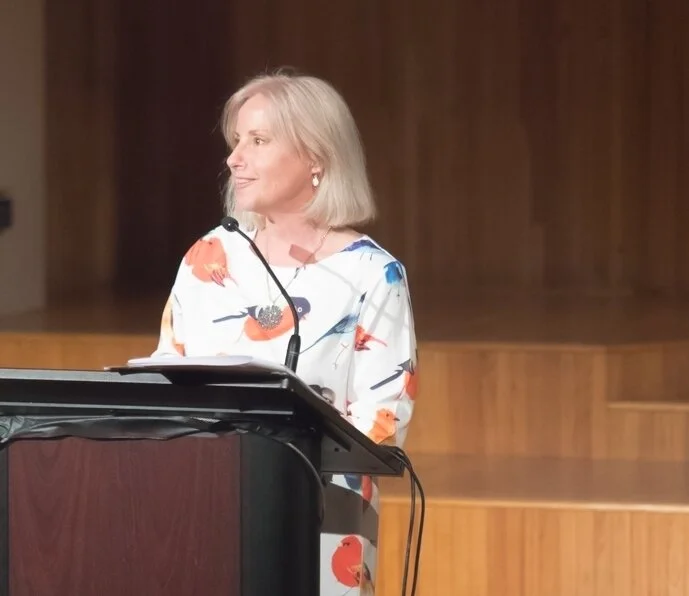
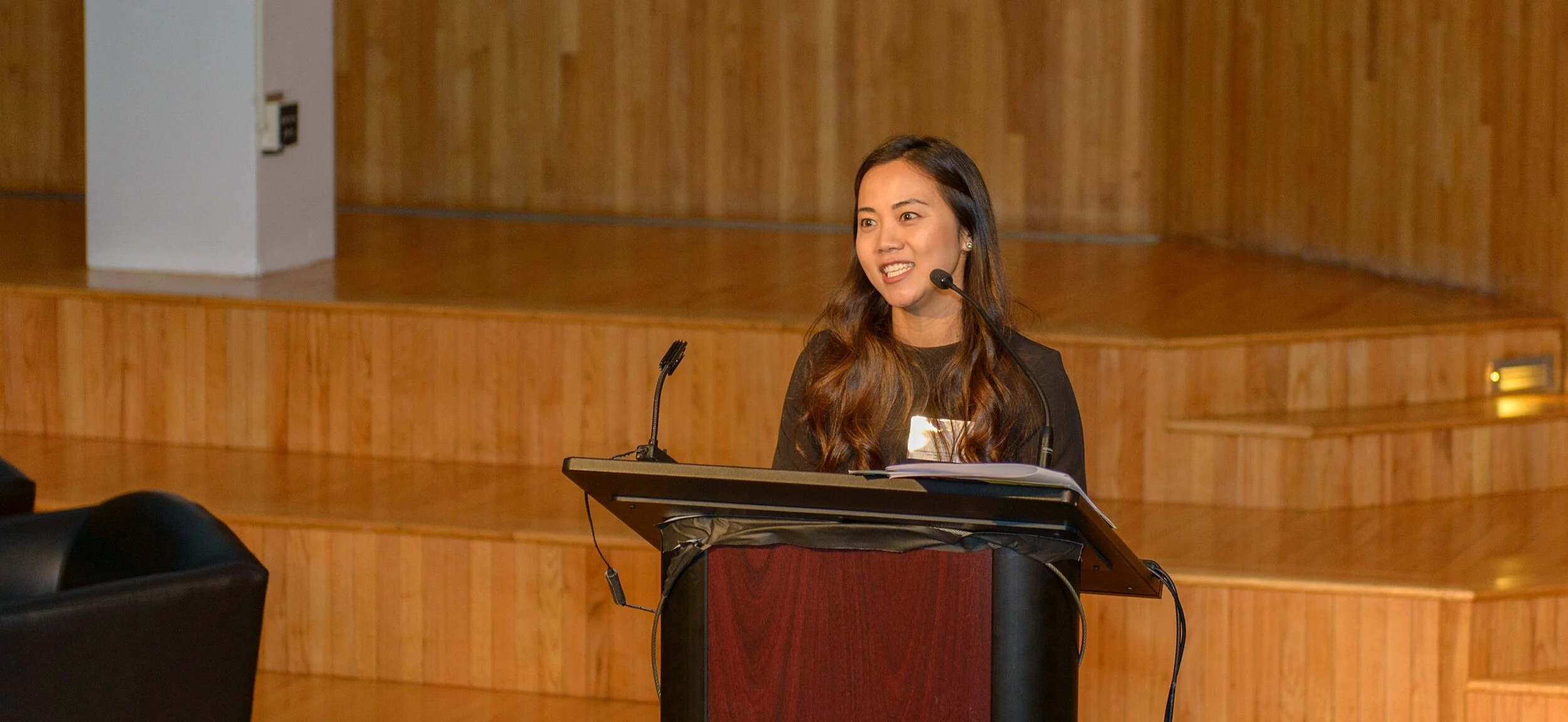
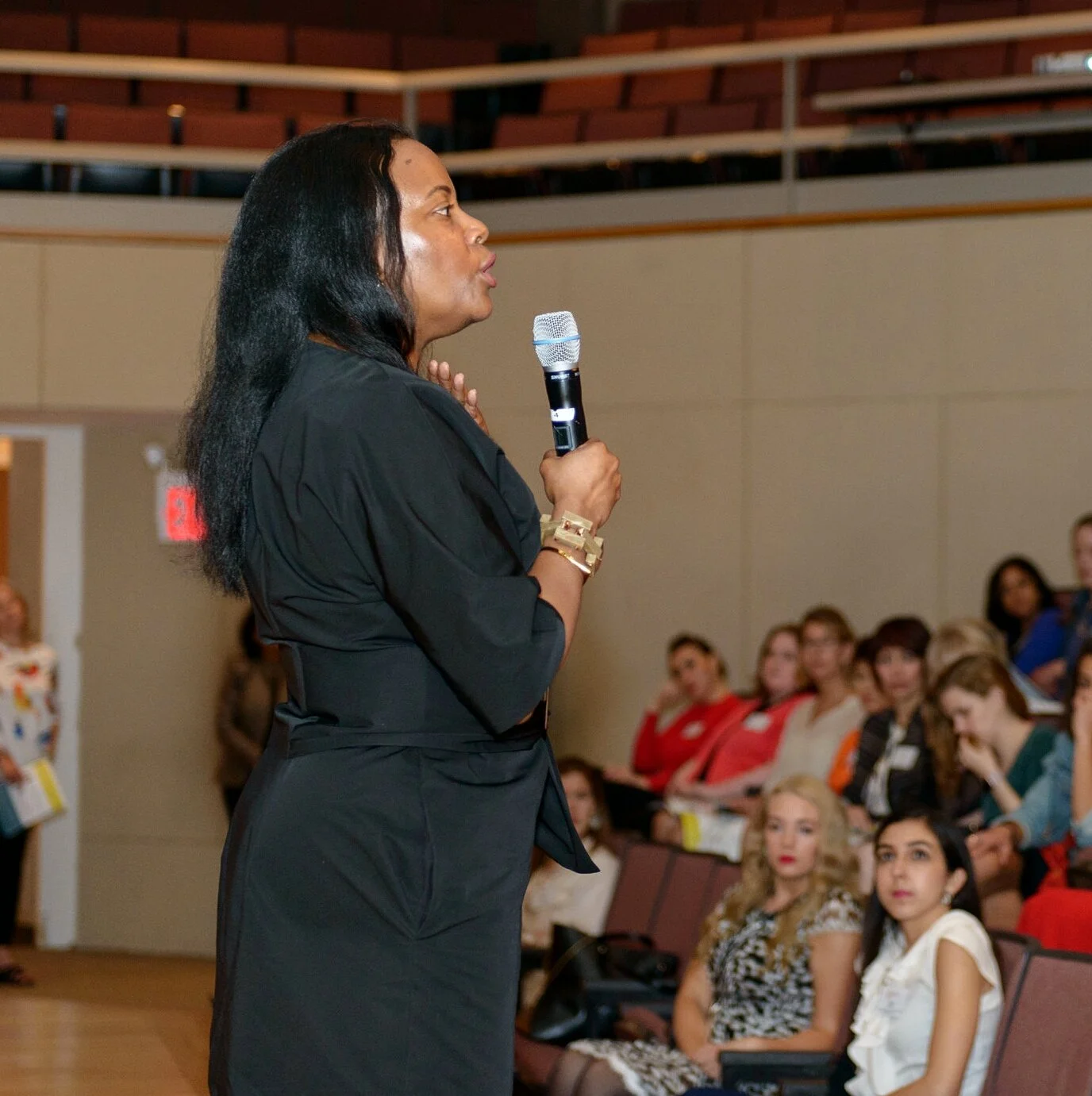
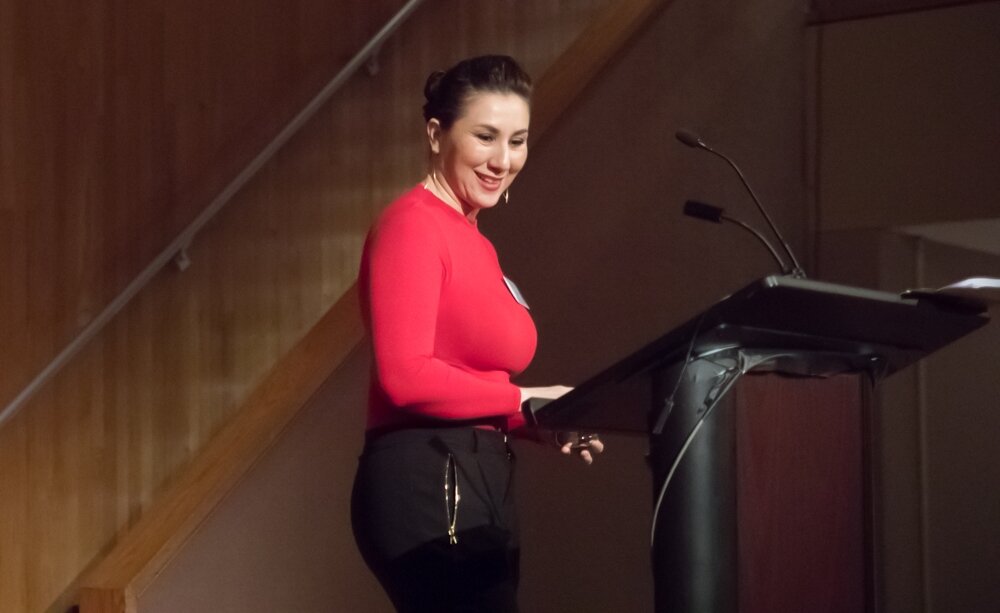
Women's Leadership Conference 2016
A short video about our November 5, 2016 conference, Reinvention, Retooling, RePurposing: Leading Your Career in a World of Change is now online.
A short video about our November 5, 2016 conference, Reinvention, Retooling, RePurposing: Leading Your Career in a World of Change is now online.
Thank you to Arko Creative for the filming and production of this video.

Paint Night
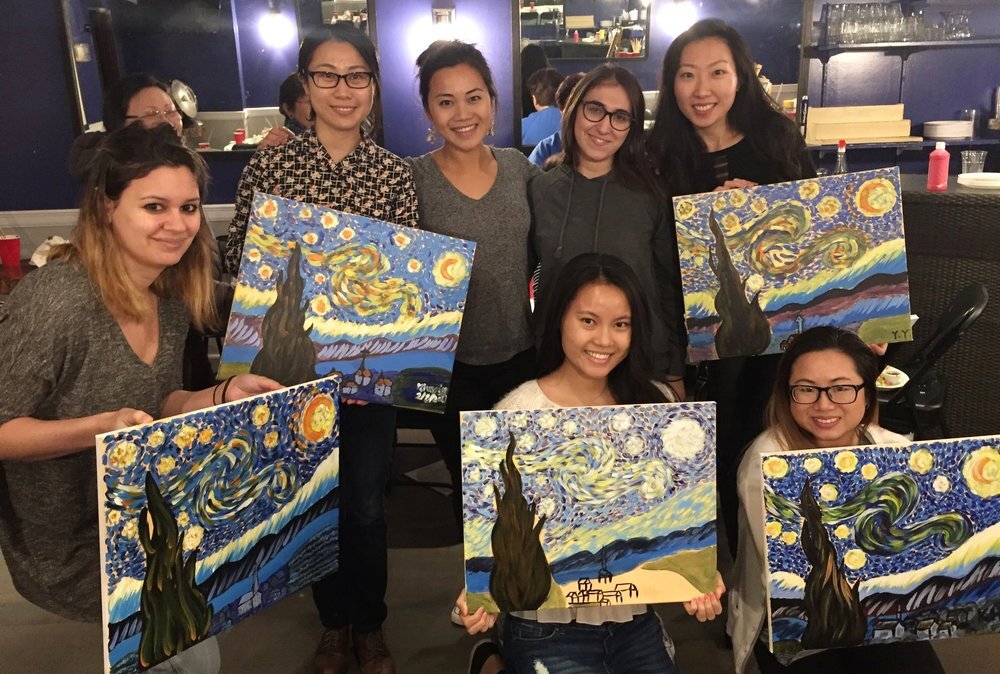
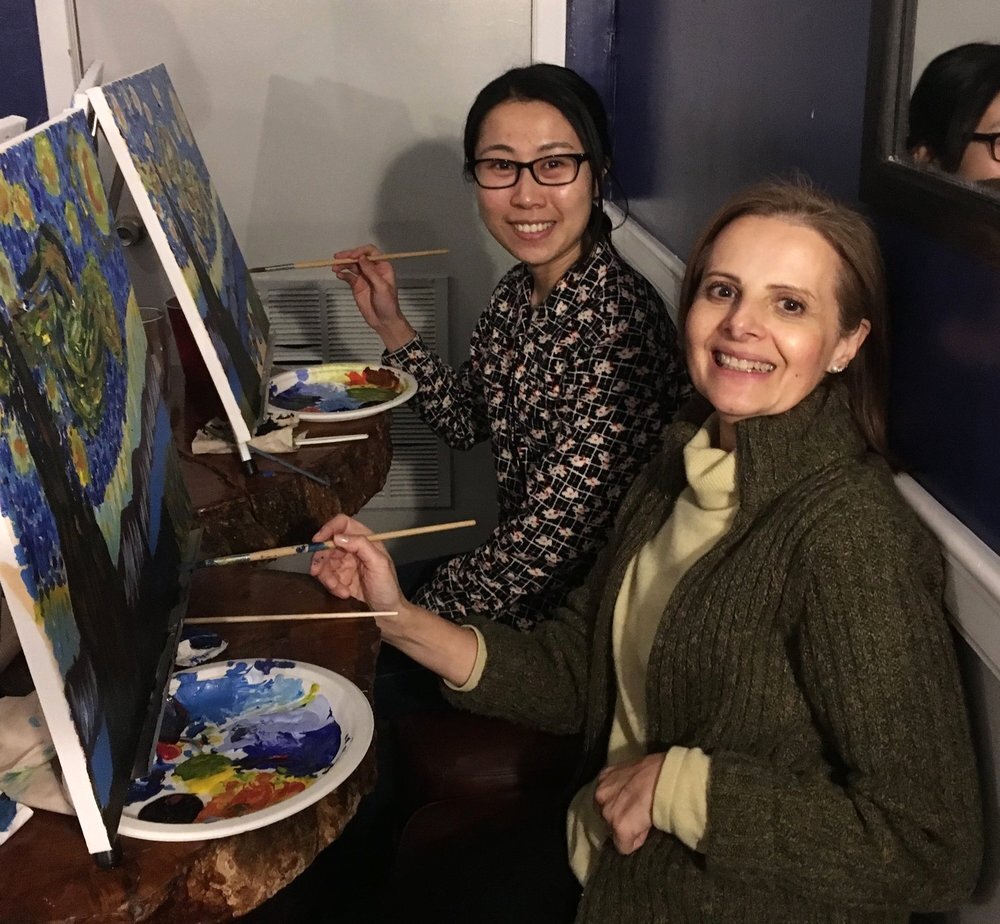
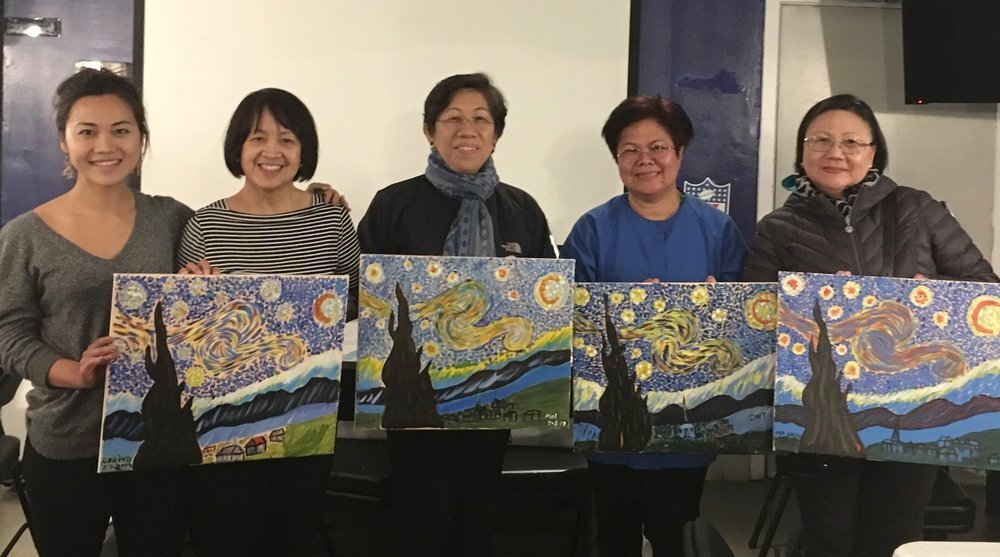
In February 2017 we enjoyed Paint Night with Jenny Chen…
In February 2017 we enjoyed Paint Night with Jenny Chen.



Construct a Quick Personal Purpose Statement
In October 2016 MHI was pleased to host Christine B. Whelan, author of The Big Picture, for a lecture and book signing. The Big Picture is geared to young adults of college age. It contains a wealth of interactive strategies to help them uncover their personal sense of purpose. While this is a critical undertaking when one is choosing a course of study and professional path, developing a personal purpose statement is a good exercise to undertake at any point in one’s life…
Reported by Alice Trimmer
In October 2016 MHI was pleased to host Christine B. Whelan, author of The Big Picture, for a lecture and book signing. The Big Picture is geared primarily to young adults of college age. It contains a wealth of interactive strategies to help them uncover their personal sense of purpose. While this is a critical undertaking when one is choosing a course of study and professional path, developing a personal purpose statement is a good exercise to undertake at any point in one’s life. At this time of year, as one’s enthusiasm for New Year’s resolutions starts to lag, it is a good moment to consider whether I have a clear sense of my overarching purpose in life, and how the projects and plans for self-improvement that I plan to undertake fit into that. Constructing a personal mission statement can be a short road to complete mental paralysis, as most of us have many interests, talents, duties, responsibilities and pending projects. How do we meld all of these into a coherent path, and what is our basis for prioritizing them? Often we can think of short and long-term goals that we want to achieve, but Christine reminded us that goals are interim steps towards accomplishing our larger life’s purpose—not ends in themselves.
In the workshop, Christine gave us a quick and accessible method to create a personal purpose statement. We wanted to share it with you so that you could try it. It is best not to over-think the answers, but just put what arises spontaneously as you go through the three steps. No one needs to see it but you, and you can always change it! Here it is:
Think of three of your personal strengths, or things that you are good at. (These can be skills you have acquired over the course of your life, or qualities and talents you were born with.)
Think of three personal core values. (What values underlie your actions? What is most important to you?)
Think of three persons, situations, or groups of people that you would like to impact. (What or who would you like most to change or influence?)
These will be your building blocks for your purpose statement. Put them together into your personal purpose statement by filling in these blanks:
I will use my strengths in _______, _______, and _______ to promote my values of _______, _______, and _______ in order to impact _______, _______, and _______.
That’s all there is to it. Try it and find out how close to the mark your purpose statement turns out to be!